Idea Cluster
Truth
What counts as truth when reality needs an apparatus to be seen?
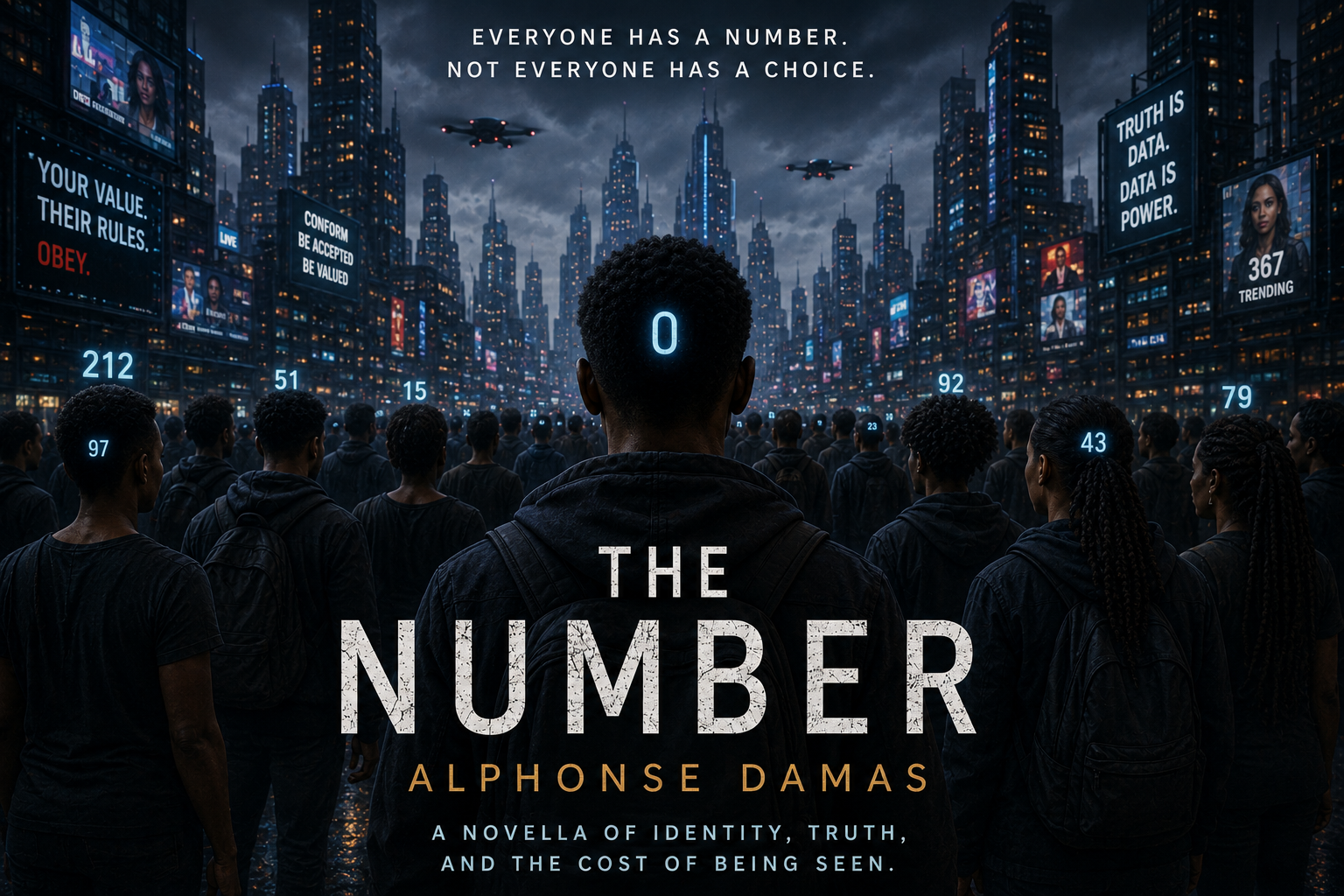
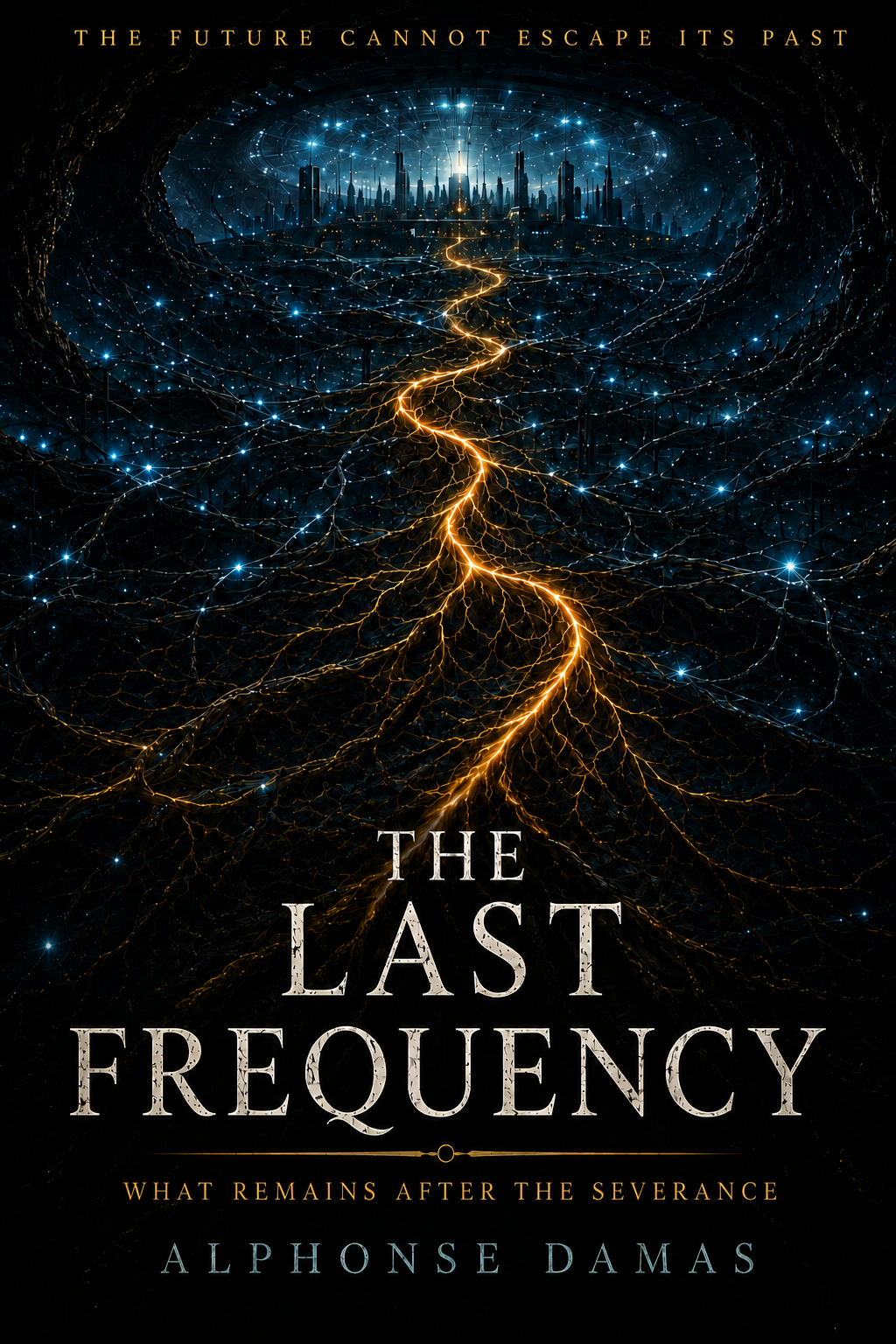
Worlds where evidence, confession, signal, public record, and private reality compete for authority.
Atlas Essay
Truth
Truth once asked to be witnessed. Now it asks to be verified by the proper apparatus.
Read Essay +Hide Essay −
Truth has never been simple. Human beings have always mistaken, embellished, concealed, and defended versions of reality that served them better than reality itself.
But the modern world did something more consequential. It built machines for deciding which realities deserve recognition.
A thing may happen and still remain unofficial. A person may know and still be told there is no evidence. A community may suffer and still be asked for cleaner data before its suffering becomes legible.
Truth, under such conditions, becomes less a fact than a credentialed event.
The question is no longer merely what happened. The question is whether what happened passed through an approved instrument of recognition.
The worlds of Truth explore this dependence: the public number, the private memory, the signal beneath the noise, the mirror that cannot be trusted until someone else provides the lens.
A reality that requires permission to be seen is already living under power.
Yet truth is stubborn. It leaks. It echoes. It returns in grief, in contradiction, in bodies that refuse the official explanation.
The danger is not that truth disappears. The danger is that a society may train itself to recognize only the truths its systems are built to process.
Atlas Note
How this idea moves through the anthology.
Truth becomes precarious when systems decide which evidence can be trusted, which lives count as data, and which realities remain invisible.
Atlas Compass
Truth points toward:
Identity
Who are you when the world insists on defining you first?
Identity depends on who is allowed to define what counts as real about a person.
Memory
What remains true when memory can be edited, erased, rented, or replaced?
Truth weakens when memory can be edited, erased, rented, or inherited selectively.
Meaning
What remains meaningful after meaning becomes programmable?
Meaning collapses when truth is reduced to whatever the dominant apparatus can verify.
Idea Pathways
Where Truth leads
Truth → Identity
Who are you when the world insists on defining you first?
Identity depends on who is allowed to define what counts as real about a person.
Truth → Memory
What remains true when memory can be edited, erased, rented, or replaced?
Truth weakens when memory can be edited, erased, rented, or inherited selectively.
Truth → Meaning
What remains meaningful after meaning becomes programmable?
Meaning collapses when truth is reduced to whatever the dominant apparatus can verify.
Related Markets
Where Truth appears
Related Worlds
Stories that carry this idea

Continue Exploring