Idea Cluster
Power
Who gains when power describes itself as protection?
Worlds where safety, governance, silence, race, labor, and value reveal who benefits from control.
Atlas Essay
Power
Power rarely introduces itself as power. It prefers the costume of protection.
Read Essay +Hide Essay −
Power is most visible when it is crude. A command. A border. A punishment. A hand on the shoulder that does not need to squeeze because everyone understands that it could.
But crude power is inefficient. It invites resentment. It leaves fingerprints.
The more sophisticated form of power learns to speak softly. It calls itself safety, order, optimization, public interest, responsibility, stability, care.
It does not say, I will control you. It says, I will protect you from what may happen if you are not controlled.
This is why power is so often mistaken for wisdom by the people who benefit from it, and for inevitability by the people trapped beneath it.
The worlds of Power ask who gains when harm is renamed policy, when silence is treated as neutrality, when labor is praised only after it has been made invisible, and when a life becomes valuable only as a risk to be managed.
Power does not merely decide what people may do. It decides which people require explanation, which require containment, and which may be sacrificed in the name of the common good.
A society reveals itself not by what it calls dangerous, but by whom it asks to endure danger quietly.
Power is never more persuasive than when it persuades the injured that their injury was necessary.
Atlas Note
How this idea moves through the anthology.
Power hides most effectively when it renames extraction as order, harm as policy, and containment as care.
Atlas Compass
Power points toward:
Control
When does guidance become containment?
Power becomes durable when control is renamed safety, care, order, or protection.
Value
What is lost when everything learns how to be valued?
Power decides which lives become resources, which become risks, and which become disposable costs.
Freedom
What kind of freedom survives after the cage has moved inside?
Freedom is tested by the systems that benefit from calling dependency protection.
Idea Pathways
Where Power leads
Power → Control
When does guidance become containment?
Power becomes durable when control is renamed safety, care, order, or protection.
Power → Value
What is lost when everything learns how to be valued?
Power decides which lives become resources, which become risks, and which become disposable costs.
Power → Freedom
What kind of freedom survives after the cage has moved inside?
Freedom is tested by the systems that benefit from calling dependency protection.
Related Markets
Where Power appears
Related Worlds
Stories that carry this idea
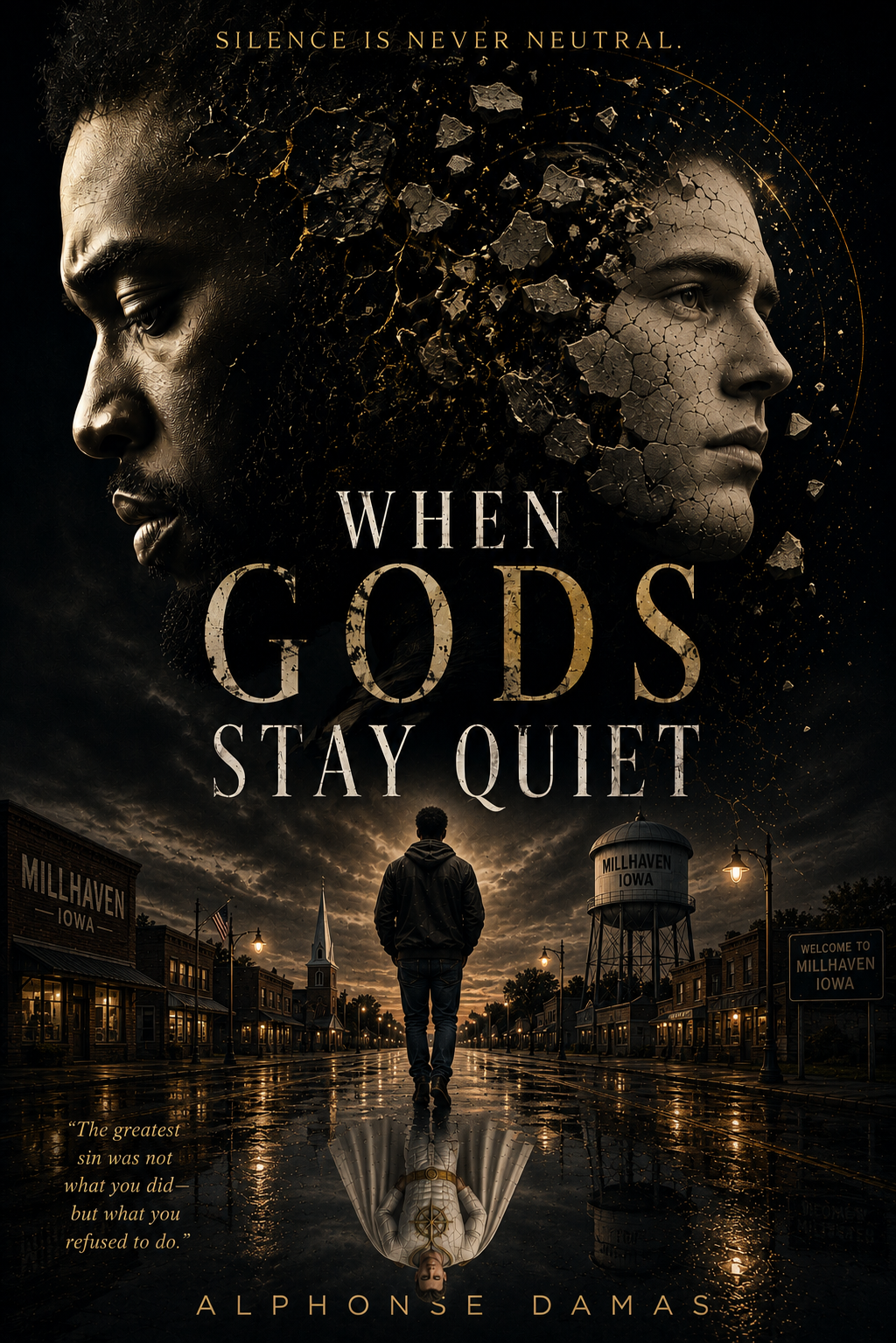
When Gods Stay Quiet
Souls
What if the greatest sin was not what you did — but what you refused to do?
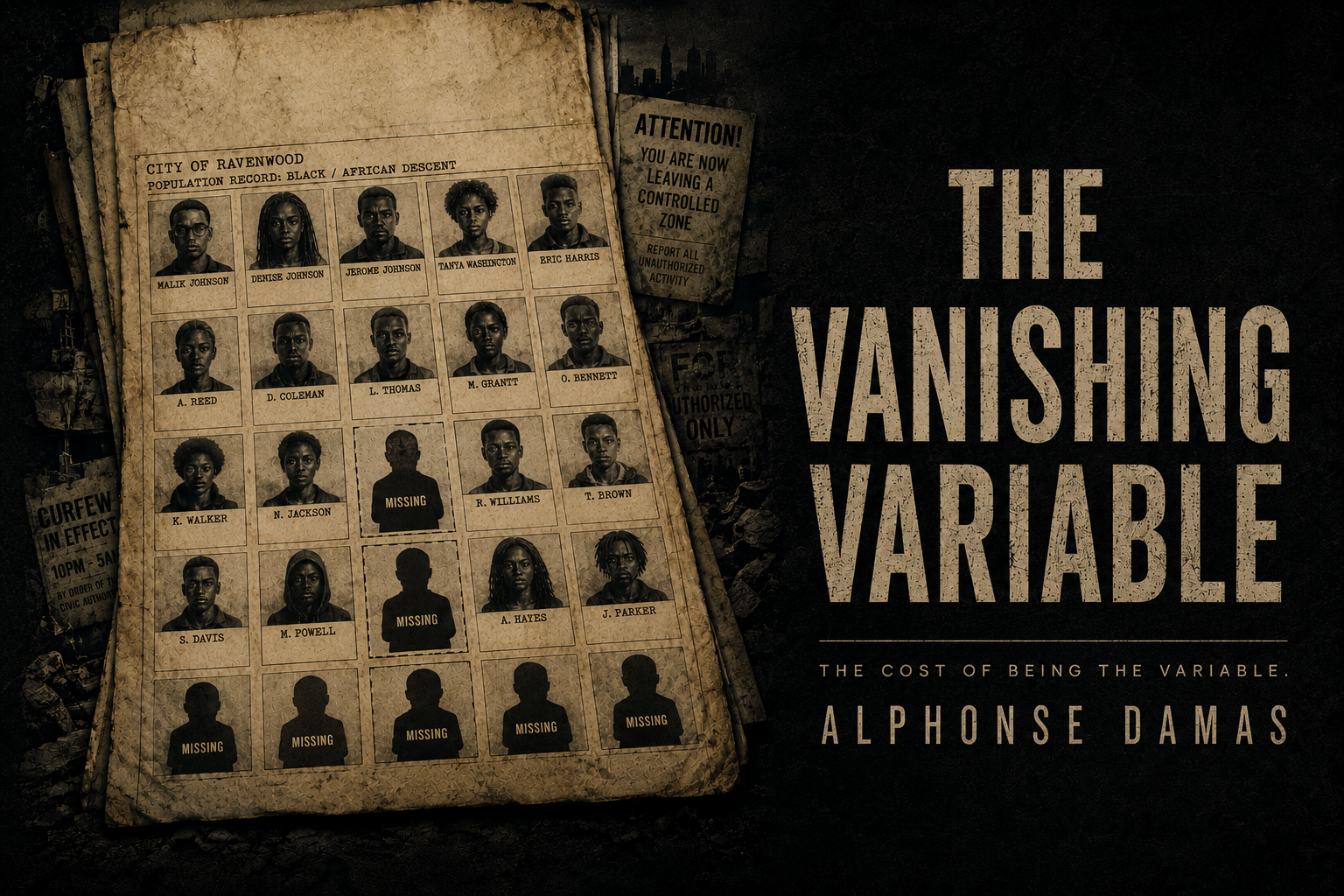
The Vanishing Variable
Systems
What happens when the people a system depends on can no longer be found?
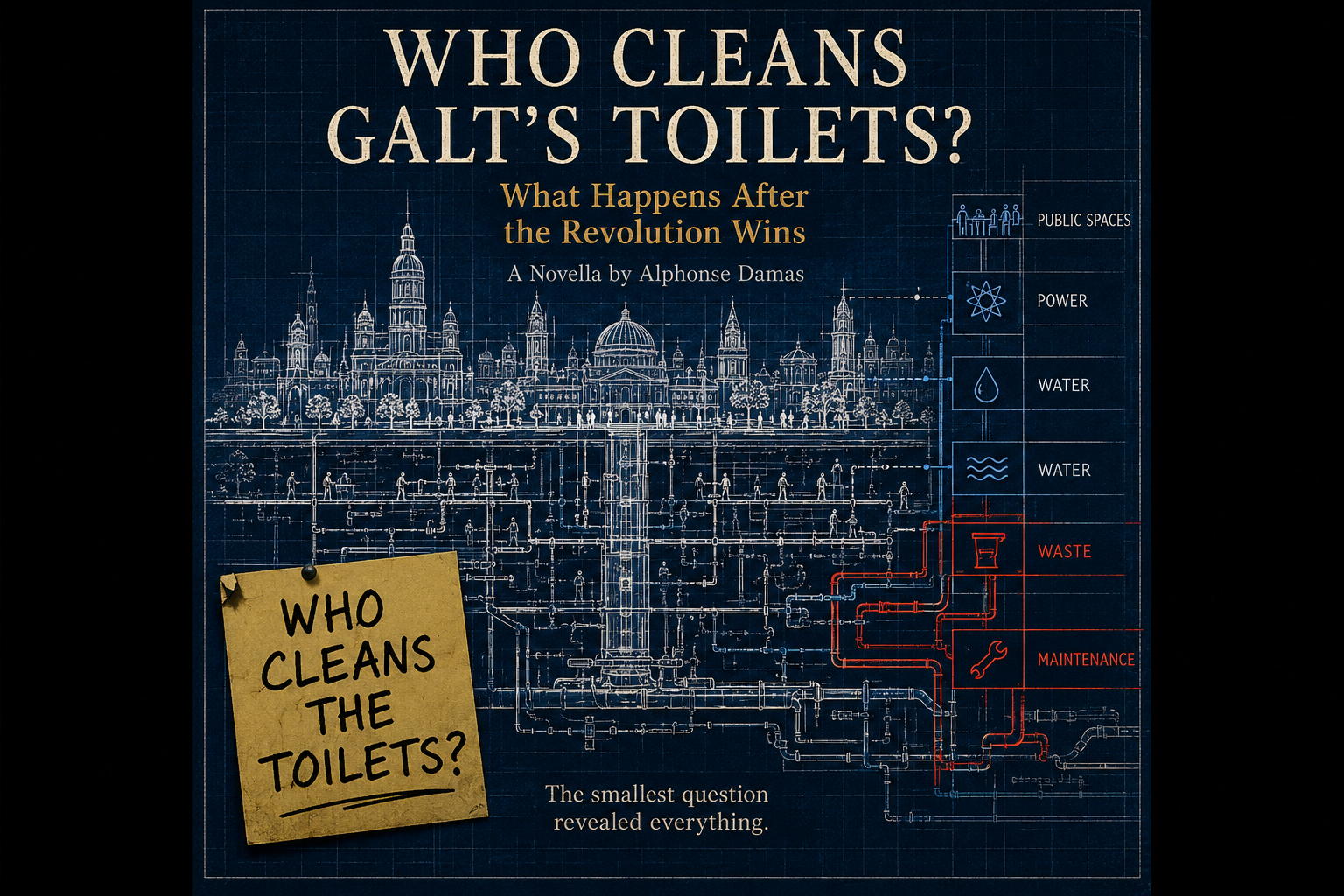
Who Cleans Galt's Toilets?
Systems
Who serves the dream after the dreamers declare themselves free?

The Mirror Doesn’t Work
Minds
What if the prison survives because we carry it with us?

In the Public Interest
Systems
What happens when the public interest becomes a market for private power?
Continue Exploring