Idea Cluster
Memory
What remains true when memory can be edited, erased, rented, or replaced?
Worlds where remembrance, forgetting, grief, record, and inherited meaning become contested territory.
Atlas Essay
Memory
The past was never as stable as we pretended. Markets merely made its instability profitable.
Read Essay +Hide Essay −
Memory has always been a fragile archive.
We revise what hurts, polish what flatters, misplace what condemns us, and return again and again to rooms that no longer exist.
This frailty once belonged to the human condition. Now it belongs to systems.
When memory can be recorded, edited, transferred, hidden, inherited, monetized, or erased, the past becomes less like a place we came from and more like territory under dispute.
The market does not ask whether a memory is sacred. It asks whether it can be stored. Whether it can be licensed. Whether grief can be extended, softened, replaced, or sold back to the mourner in a more usable form.
There is cruelty in forgetting. There is also cruelty in being denied the mercy of forgetting.
The worlds gathered under Memory study both injuries: the record that refuses to disappear and the person who disappears because the record no longer knows how to find them.
Memory gives continuity to the self, but continuity is not the same as freedom. A life can be imprisoned by what it remembers as surely as by what it has lost.
The question is not whether the past survives. The question is who controls its surviving form.
Atlas Note
How this idea moves through the anthology.
Memory becomes a battleground when the past can be stored, revised, inherited, purchased, or made unavailable.
Atlas Compass
Memory points toward:
Truth
What counts as truth when reality needs an apparatus to be seen?
Truth weakens when memory can be edited, erased, rented, or inherited selectively.
Meaning
What remains meaningful after meaning becomes programmable?
Meaning survives through memory, but memory can also trap people inside inherited interpretations.
Freedom
What kind of freedom survives after the cage has moved inside?
Freedom requires more than escape when the past still governs what feels possible.
Idea Pathways
Where Memory leads
Memory → Truth
What counts as truth when reality needs an apparatus to be seen?
Truth weakens when memory can be edited, erased, rented, or inherited selectively.
Memory → Meaning
What remains meaningful after meaning becomes programmable?
Meaning survives through memory, but memory can also trap people inside inherited interpretations.
Memory → Freedom
What kind of freedom survives after the cage has moved inside?
Freedom requires more than escape when the past still governs what feels possible.
Related Markets
Where Memory appears
Related Worlds
Stories that carry this idea
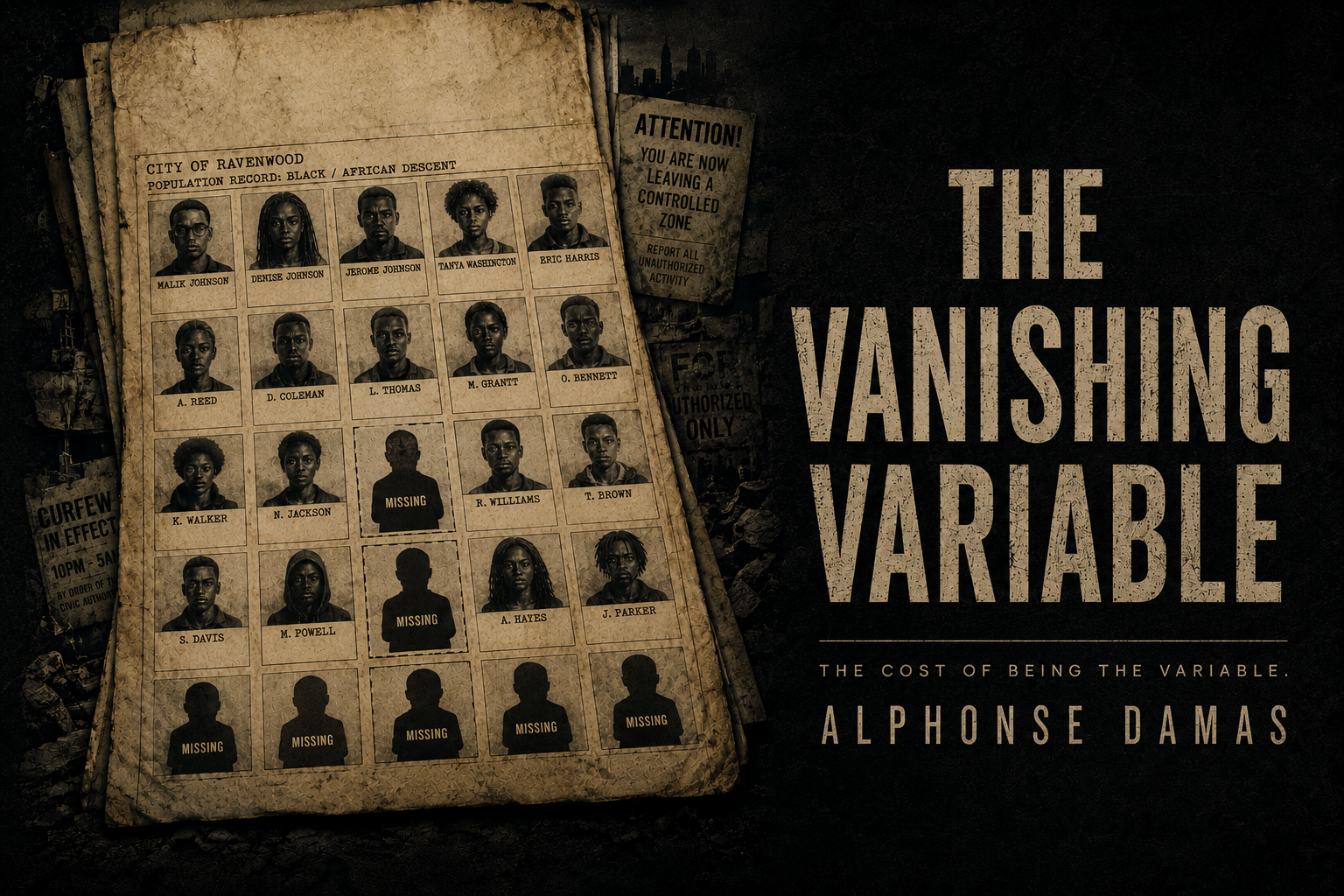
The Vanishing Variable
Systems
What happens when the people a system depends on can no longer be found?

Proxy
Minds
What happens when a life you never lived begins to feel more real than your own?
The Last Frequency
Minds
What truths become audible when the noise finally disappears?
The Long Goodbye
Hearts
How do you say goodbye to someone who has been leaving for years?
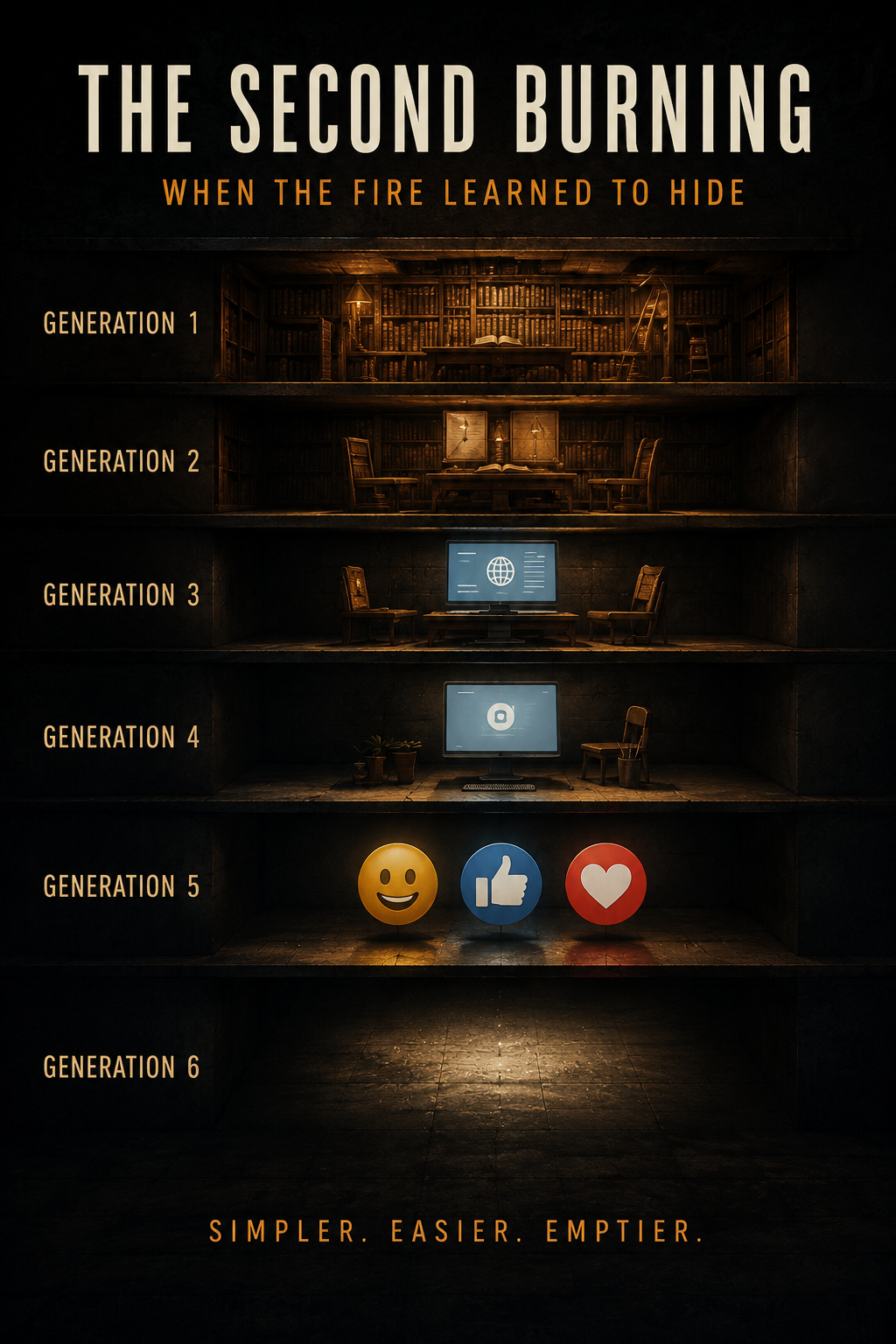
The Second Burning
Minds
What happens after knowledge survives, but meaning is quietly rewritten?
Continue Exploring