How To Use This Map
Ideas cut across markets.
Markets show where commodification happens. Ideas show how one pressure travels across bodies, hearts, minds, souls, and systems.
Anthology Atlas
The Atlas connects worlds across markets. A story may belong to one market, but its ideas echo through many others: identity, desire, memory, power, control, truth, meaning, value, and freedom.
How To Use This Map
Markets show where commodification happens. Ideas show how one pressure travels across bodies, hearts, minds, souls, and systems.
Idea Relationships
Each idea opens into others. Identity touches desire. Power becomes control. Memory argues with truth.
Reader Path
Choose an idea, enter a world, then follow its related worlds to see the anthology argue with itself.
Relationship Map
These connections give the Atlas a second layer: not only which worlds share an idea, but how one idea turns into another across the anthology.
Freedom becomes unstable when the cage is built from appetites the system taught you to want.
Meaning survives through memory, but memory can also trap people inside inherited interpretations.
Power decides which lives become resources, which become risks, and which become disposable costs.
Control does not only restrict action; it shapes what evidence people are permitted to recognize.
Idea Cluster
IdentityWorlds where the self becomes visible, measurable, inherited, or performed under pressure.
Enter idea →Who are you when the world insists on defining you first?
Bodies
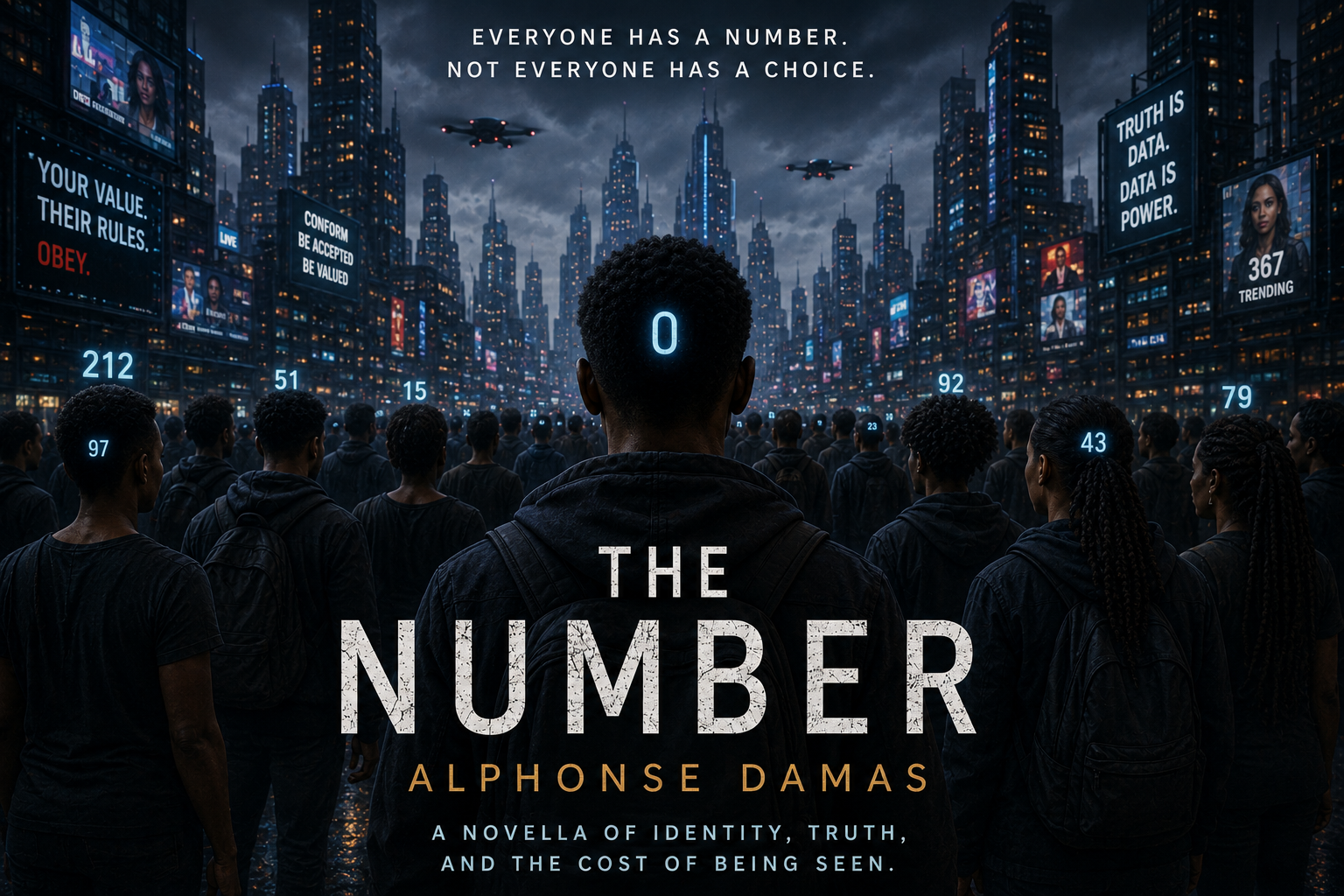
What does a number reveal about us — and what does it erase?
Bodies
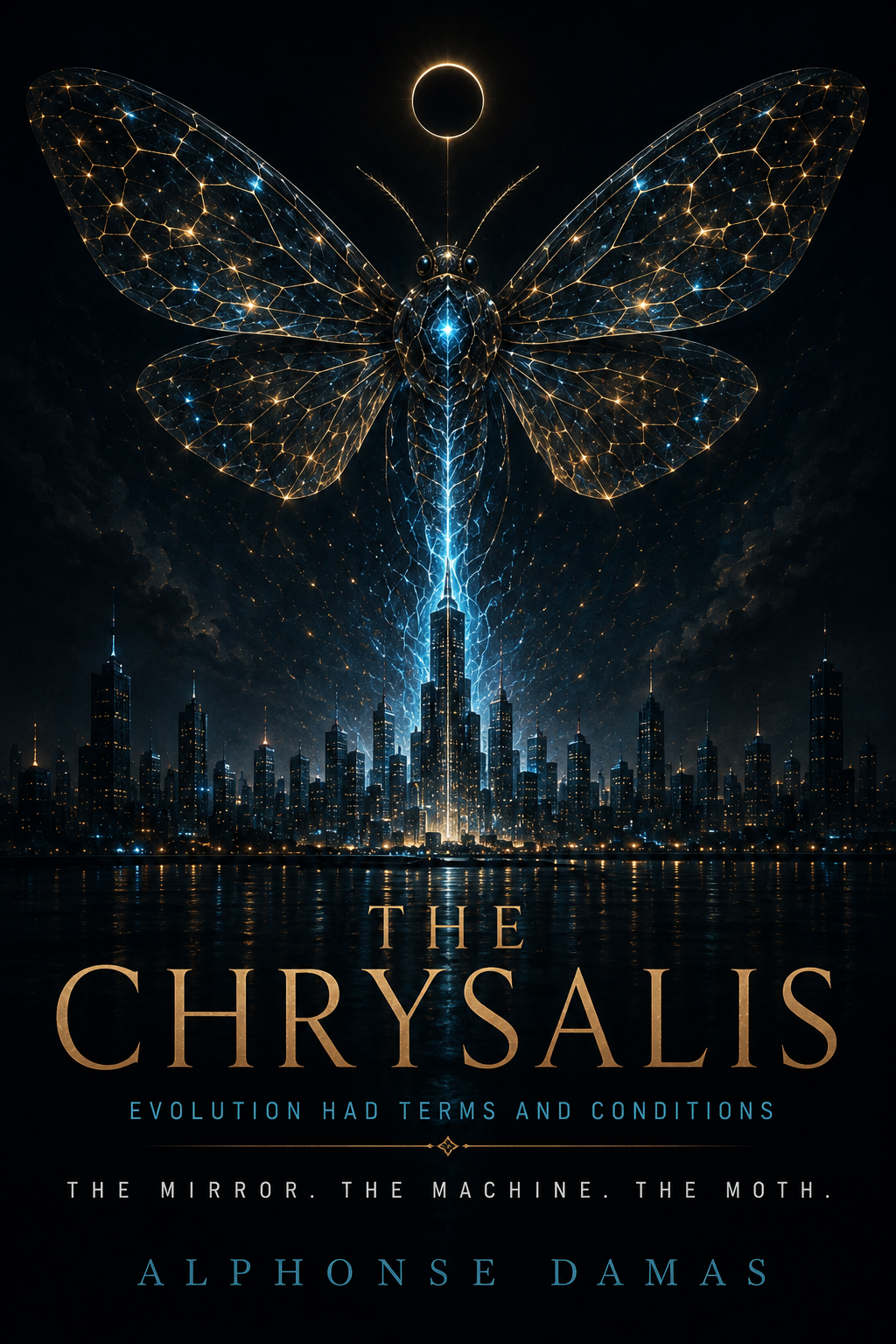
What happens when the desire to become more costs us the very thing that made us human?
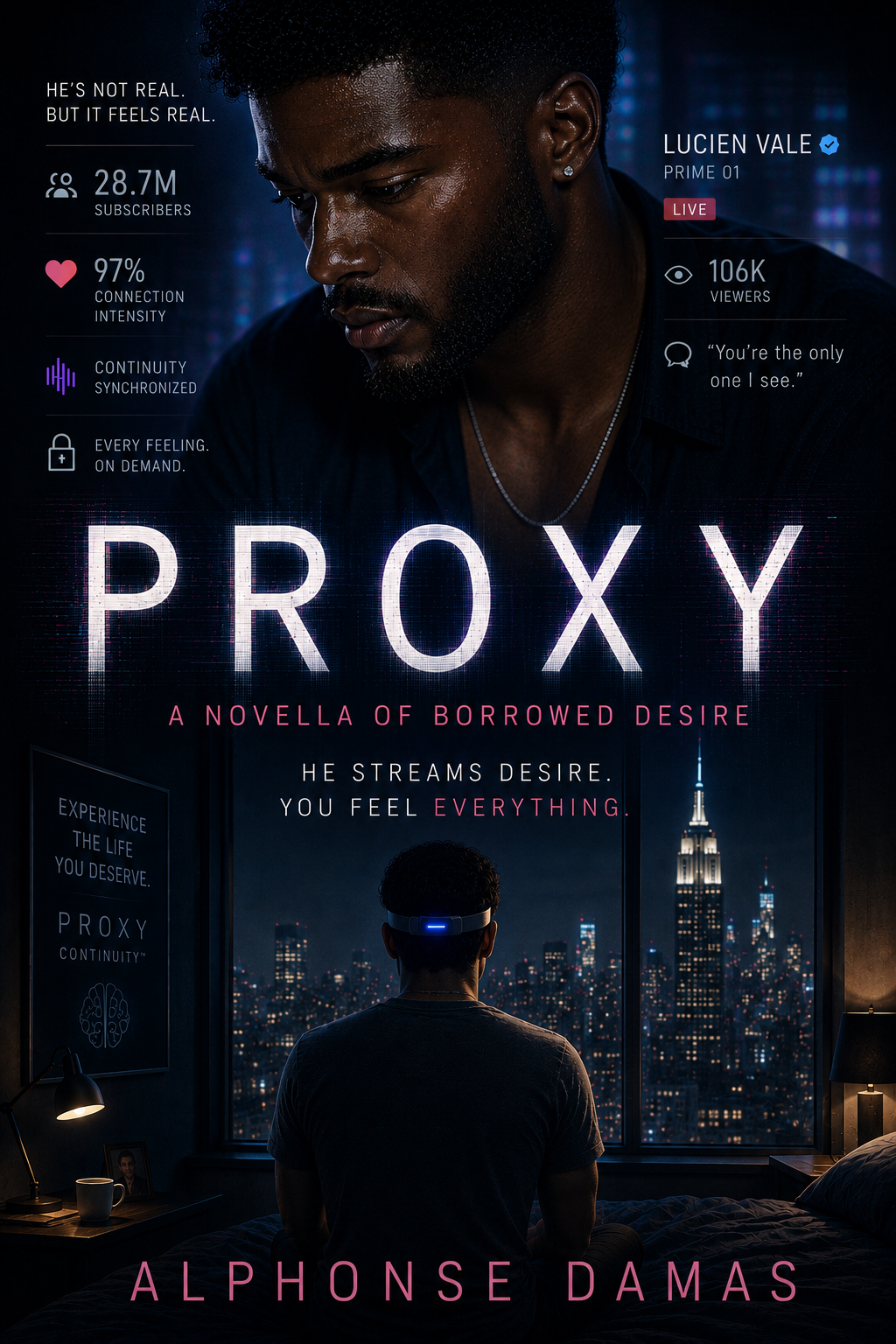
Minds
What happens when a life you never lived begins to feel more real than your own?
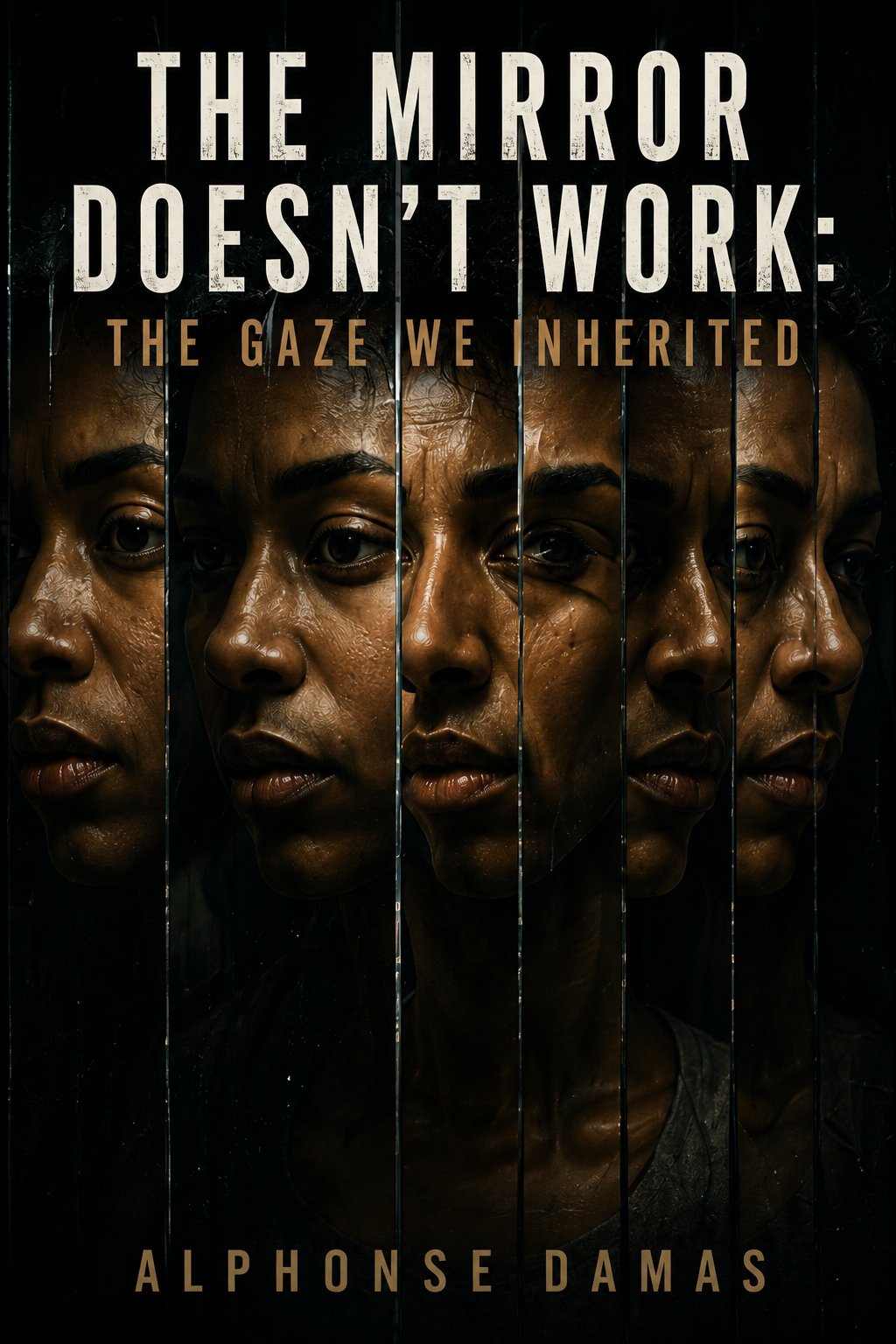
Minds
What if the prison survives because we carry it with us?
Idea Cluster
DesireWorlds where longing becomes a product, a ranking system, a subscription, or a strategy.
Enter idea →What happens when wanting itself becomes infrastructure?
Idea Cluster
MemoryWorlds where remembrance, forgetting, grief, record, and inherited meaning become contested territory.
Enter idea →What remains true when memory can be edited, erased, rented, or replaced?
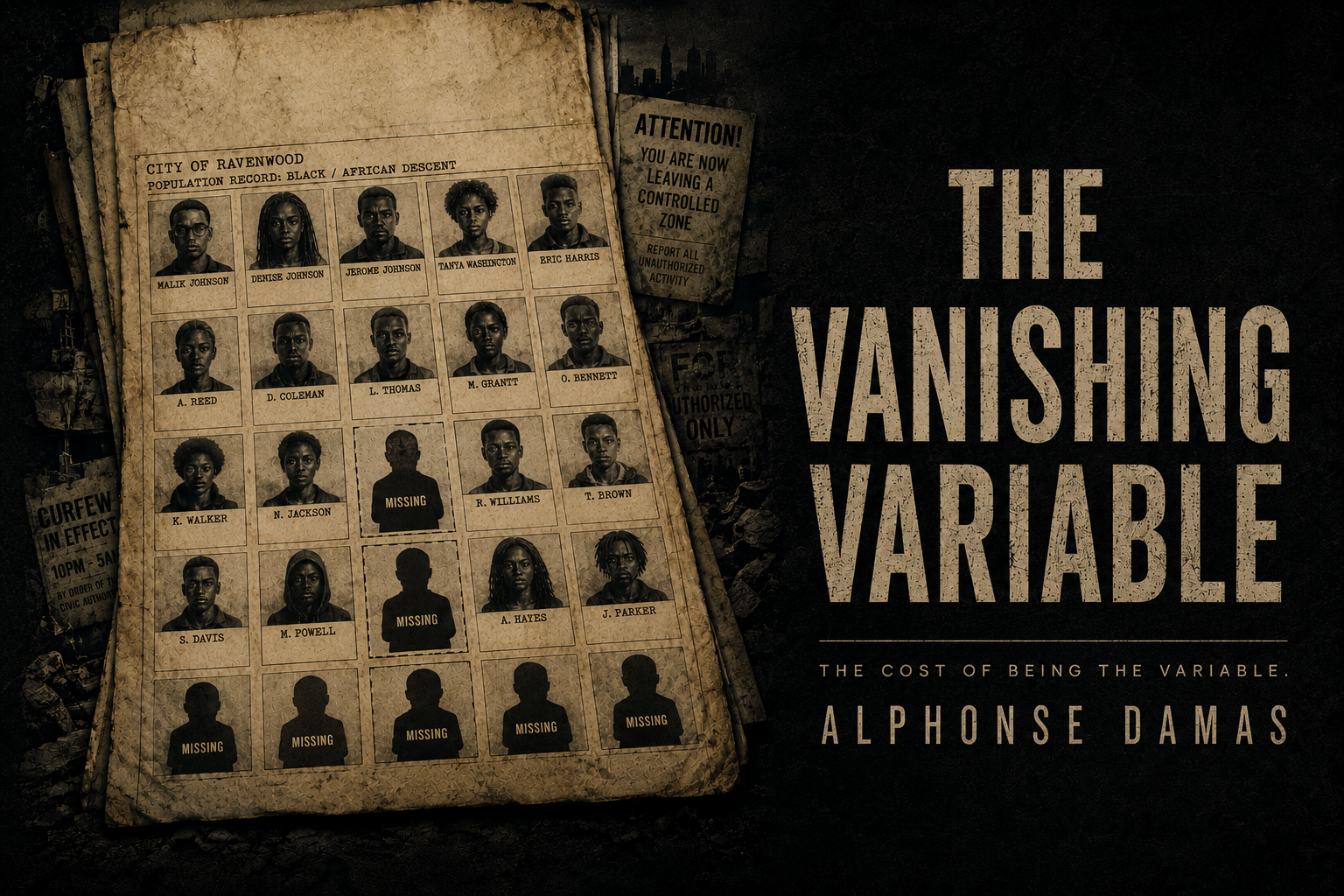
Systems
What happens when the people a system depends on can no longer be found?
Minds
What happens when a life you never lived begins to feel more real than your own?
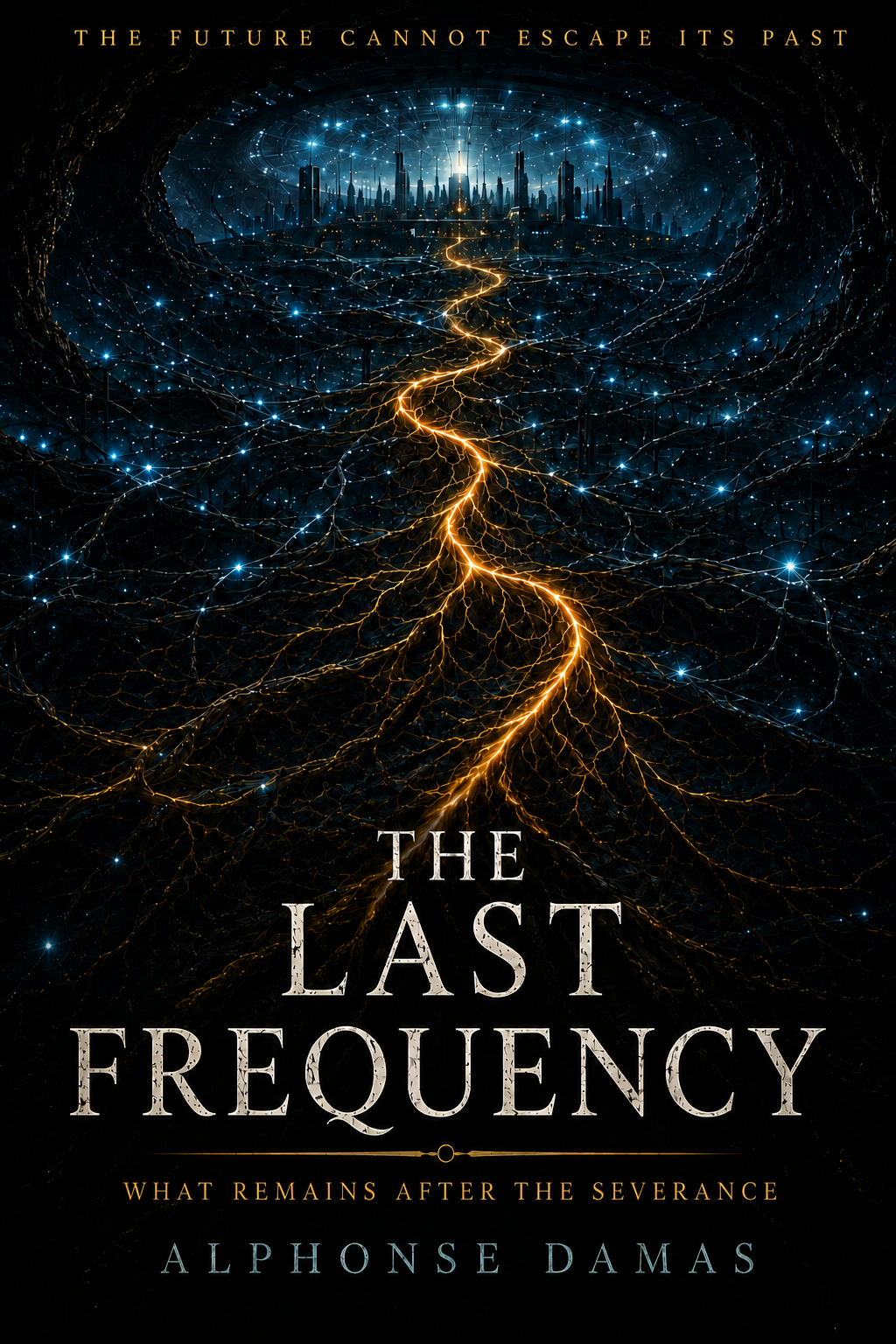
Minds
What truths become audible when the noise finally disappears?
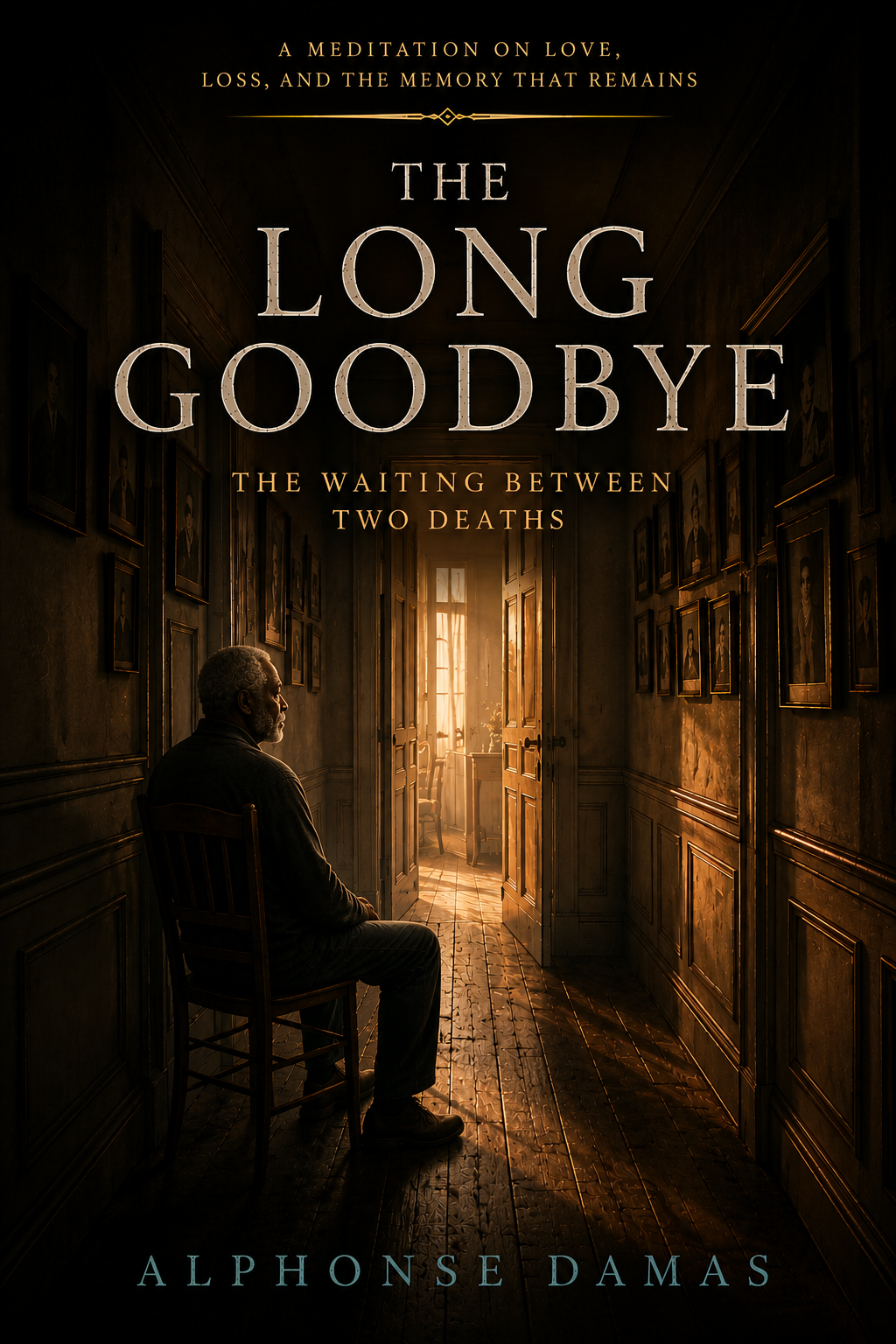
Hearts
How do you say goodbye to someone who has been leaving for years?
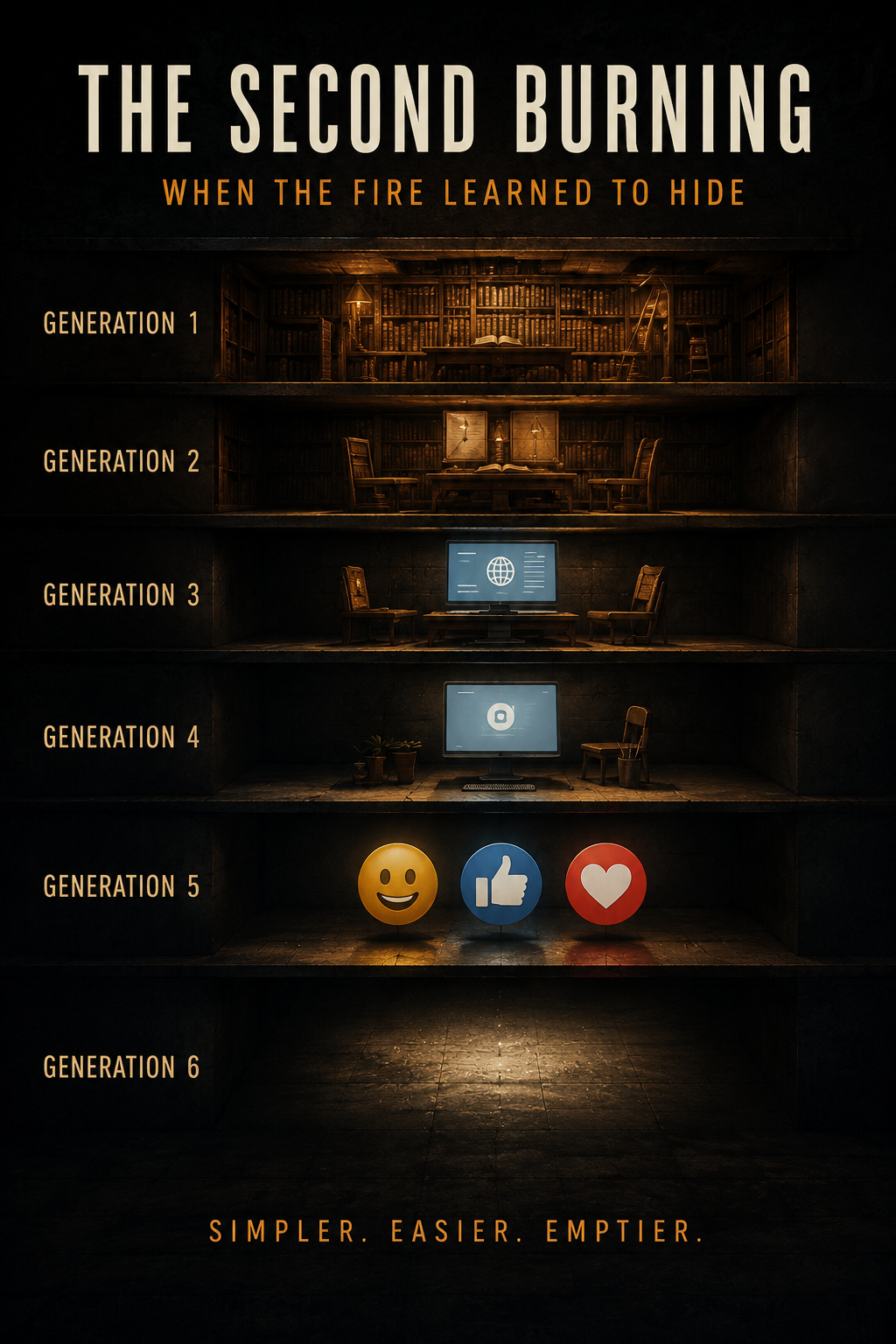
Minds
What happens after knowledge survives, but meaning is quietly rewritten?
Idea Cluster
PowerWorlds where safety, governance, silence, race, labor, and value reveal who benefits from control.
Enter idea →Who gains when power describes itself as protection?
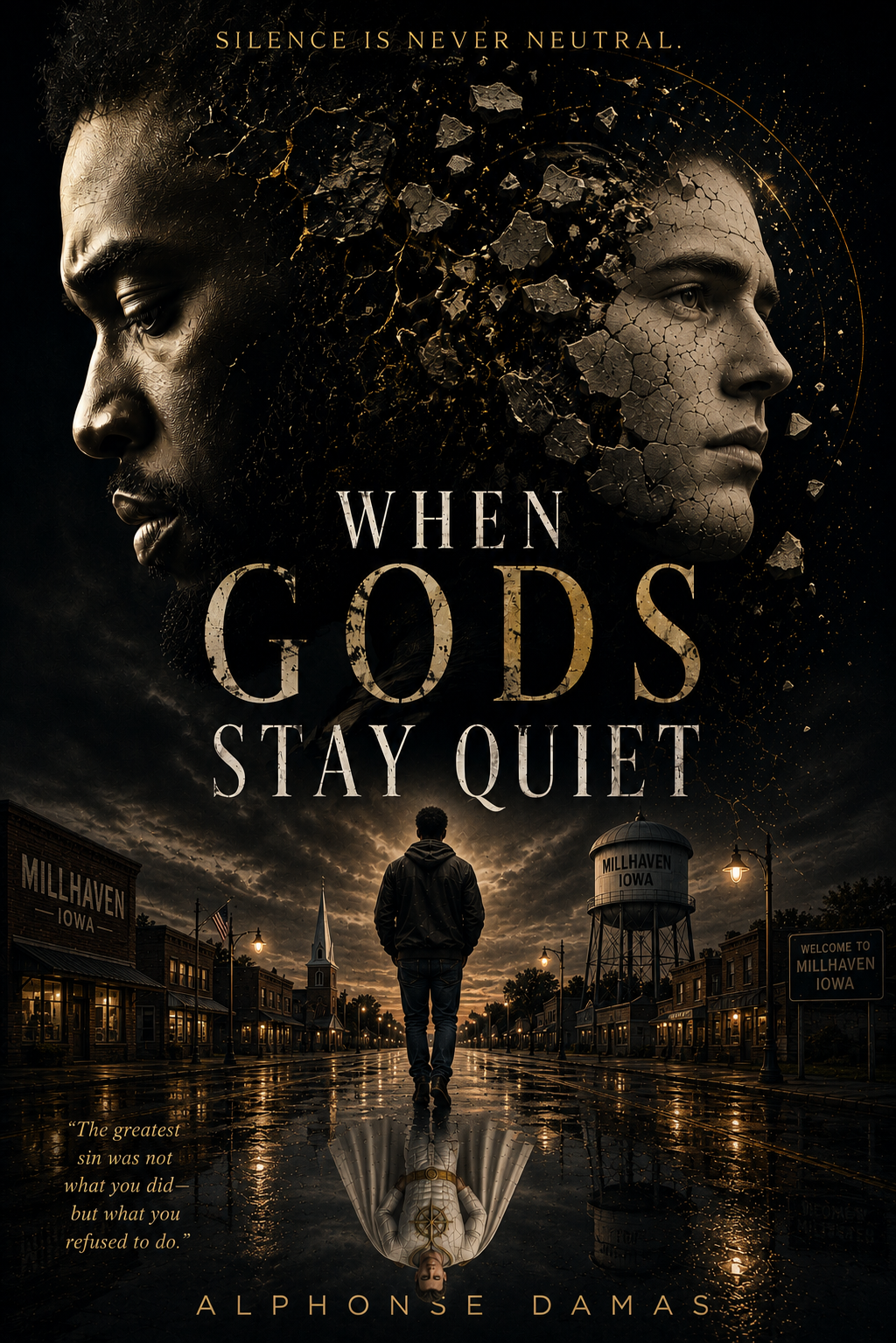
Souls
What if the greatest sin was not what you did — but what you refused to do?
Systems
What happens when the people a system depends on can no longer be found?
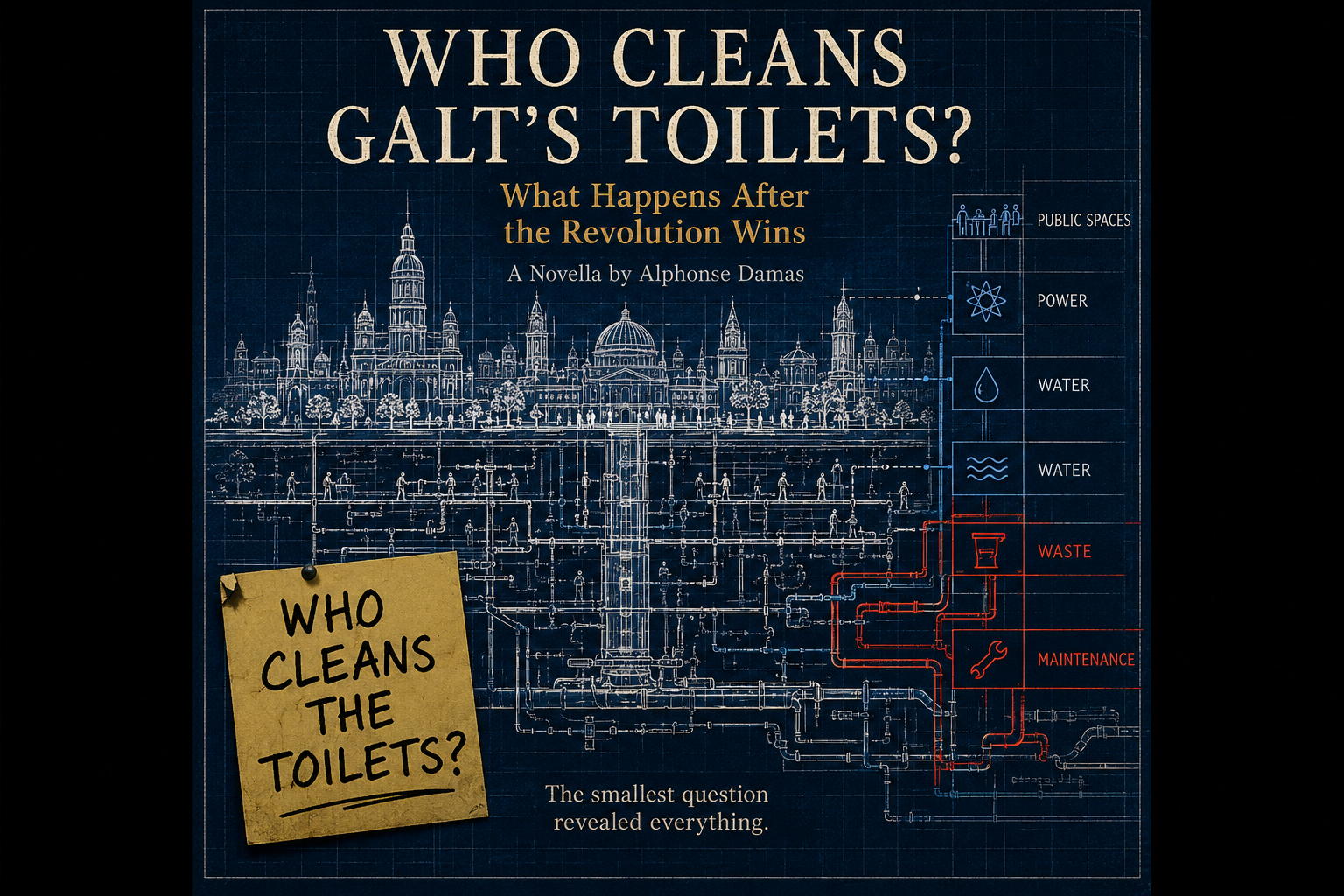
Systems
Who serves the dream after the dreamers declare themselves free?
Minds
What if the prison survives because we carry it with us?
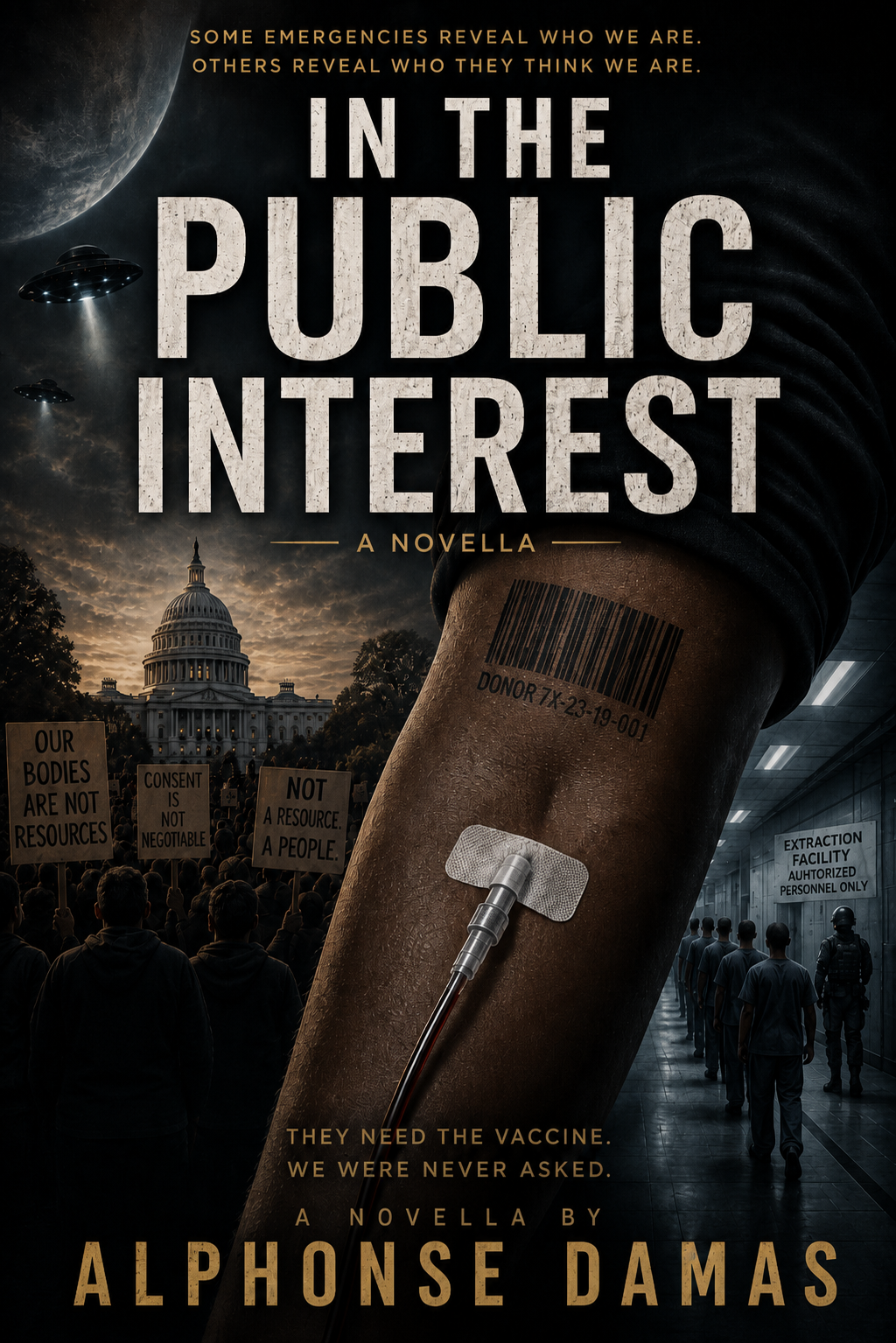
Systems
What happens when the public interest becomes a market for private power?
Idea Cluster
ControlWorlds where systems manage consent, perception, risk, knowledge, and acceptable behavior.
Enter idea →When does guidance become containment?
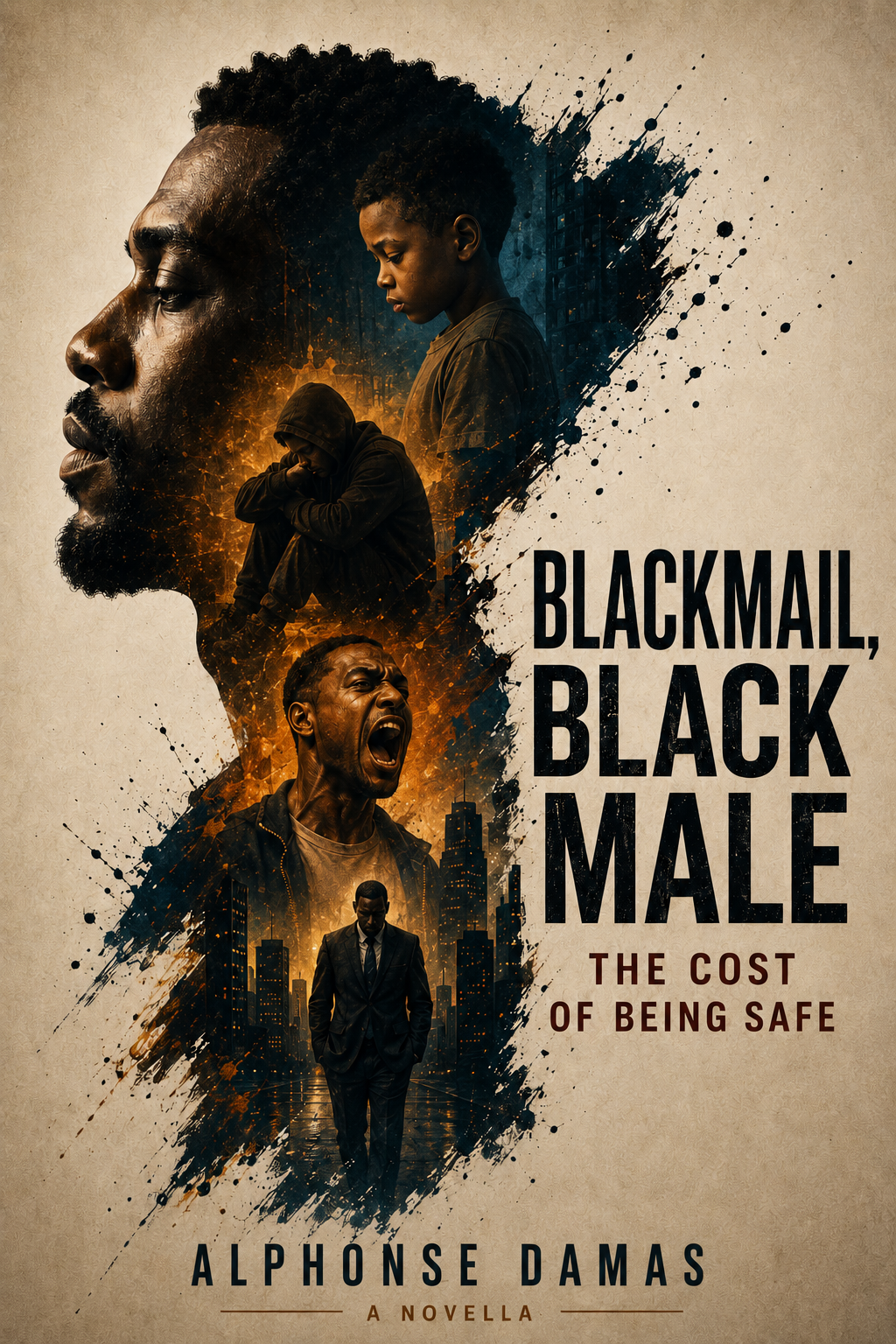
Minds
What does protection mean when the threat is built into the world around you?
Systems
What happens when the public interest becomes a market for private power?
Minds
What happens after knowledge survives, but meaning is quietly rewritten?
Idea Cluster
TruthWorlds where evidence, confession, signal, public record, and private reality compete for authority.
Enter idea →What counts as truth when reality needs an apparatus to be seen?
Idea Cluster
MeaningWorlds where knowledge, faith, conscience, signal, and purpose become scarce or manufactured.
Enter idea →What remains meaningful after meaning becomes programmable?
Idea Cluster
ValueWorlds where people, bodies, labor, grief, desire, and protection are translated into price.
Enter idea →What is lost when everything learns how to be valued?
Idea Cluster
FreedomWorlds where escape is complicated by dependency, inheritance, fear, and self-made confinement.
Enter idea →What kind of freedom survives after the cage has moved inside?